
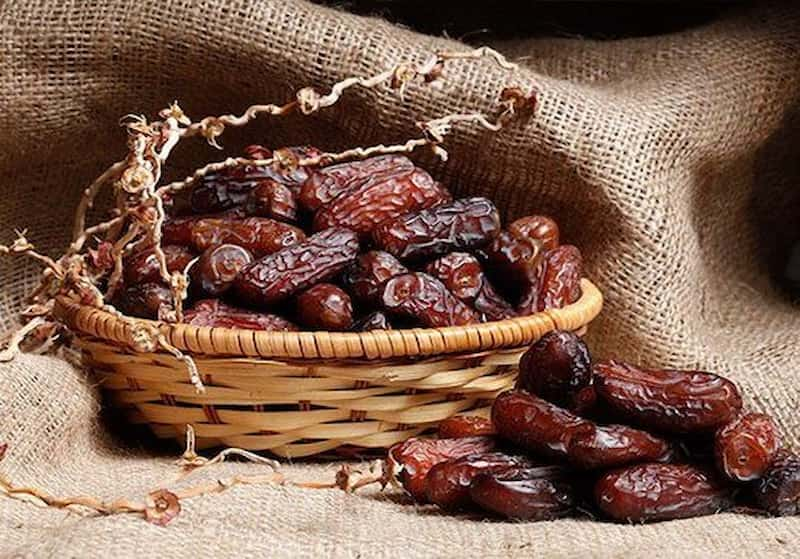
What "harga kurma" actually means
"Harga Kurma Di Malaysia" translates simply to "date prices in Malaysia," and price is one of the first things buyers ask about, even before variety. There is no single number for it. Prices shift by grade, origin, and season, and vary widely between a grocery-shelf pack and a wholesale carton bought direct from an importer.
What actually moves the price
1. Grade, not just variety
Within one variety (Safawi, Mariami, Ajwa, Medjool) suppliers grade by size and appearance, with terms like Jumbo, Super, and Special showing up on invoices. A higher grade of the same variety can cost noticeably more than a lower grade, which is why two sellers quoting "Safawi" prices can be quoting very different products.
2. Season
Demand spikes hardest around Ramadan and Eid, and suppliers who buy stock ahead of that window pay import-season rates that get passed on. Buying outside the festive rush is usually where the better wholesale prices show up.
3. Import route
Dates bought direct from an importer or grower carry less markup than the same stock resold through two or three layers of distributor before it reaches a retail shelf. For bulk buyers, going straight to a wholesale source is usually where the savings are.
4. Packaging and presentation
A gift box with printed packaging costs more than the same dates in a plain carton, even when the fruit inside is identical grade.
Reading a quoted price
When a supplier quotes "harga kurma," ask three questions before comparing it to another quote: the grade, the crop year, and whether the price is per kg or per box. Our grading systems guide breaks down how grading terms map to price bands, and for one specific variety, our Medjool pricing breakdown walks through the same factors in more detail.
Sourcing further
Buyers researching where dates in the Malaysian market actually come from, and how supply and demand shift date pricing, will find the same grade, season, and import-route factors driving both.
A common buyer mistake
Buyers often compare two quotes on price alone and assume the cheaper one is the better deal. It usually isn't a fair comparison. A carton priced lower than a competitor's is often a lower grade, an older crop year, or missing the weight breakdown entirely. Some quotes are per box, others per kg, and the two are not interchangeable without doing the math first. Ask for the grade and the per-kg price in writing before you decide anything is actually cheaper.
What a fair price range looks like
There is no fixed number that holds across a whole year, but the shape of it is predictable: retail-shelf packs carry the most markup because they cover a store's rent and staff on a small volume; wholesale cartons bought direct from an importer sit well below that because the buyer takes on storage and repackaging themselves. Between those two ends, the grade does more to move the price than almost anything else — a Jumbo-grade carton of a given variety regularly costs noticeably more than the Special grade of the same fruit, picked from the same harvest.