
Sourcing Malaysian kurma: what a wholesale supplier actually stocks
Walk into most pemborong kurma malaysia operations and the stock splits into two very different supply chains. One side is imported whole dates — Medjool from Jordan or Palestine, Safawi and Ajwa from Saudi Arabia, Mazafati or Mariami from Iran — bought by the container, cleared through customs, and sold on largely as-is. The other side is repacked and processed kurma: dates blended into paste, chopped for baking mixes, or portioned into smaller consumer packs from bulk cartons. A buyer asking "where does this come from" is really asking two separate questions.
Imported whole dates: the container-by-container business
Import pricing moves with the season and the shipping route. A supplier ordering Medjool from Jordan is working against a different cost curve than one bringing in Safawi from Saudi Arabia, because port routing, container availability and even the Ramadan demand spike change month to month. Suppliers who carry several origins at once are usually hedging against exactly that volatility — if one route gets expensive, they can lean on stock from another.
Local repacking: where the margin actually sits
Repacking is a different business entirely. A 10kg import carton gets broken down into 250g or 500g retail bags, sometimes with a local brand label added, sometimes blended into date paste for bakeries. The margin here comes from labor and packaging, not the raw fruit cost, which is why two suppliers selling what looks like "the same date" can quote noticeably different retail prices — one is selling a repacked commodity, the other a bulk-import product with a thinner markup.
Why the split matters to a buyer
If you're buying for resale or catering volume, ask directly whether a quote is for original import cartons or repacked stock — the answer changes both the price you should expect and the shelf life you'll get, since repacked product has usually sat longer between import and sale. Suppliers who can show you how Malaysian date prices and grading actually work tend to be more transparent about which side of the split a given batch falls on.
Texture and taste still come down to variety, not source
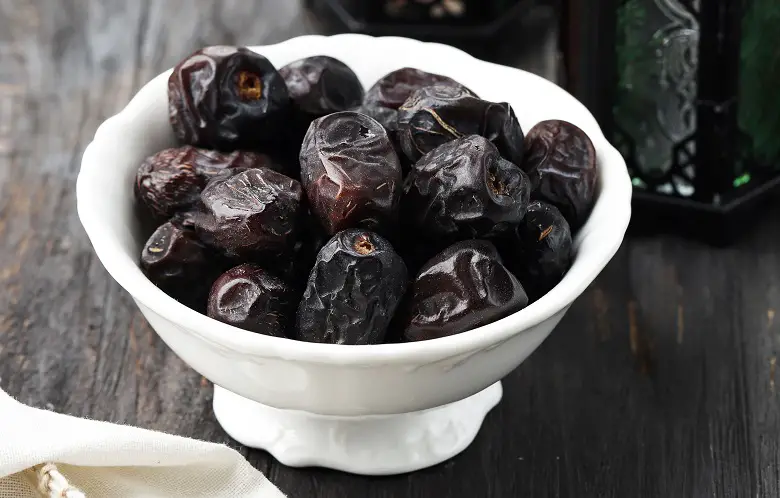
Whether a date is imported whole or repacked locally, the texture and taste profile is set by the variety itself — Medjool stays soft and caramel-heavy, Safawi is drier and firmer, Ajwa has a denser, almost raisin-like chew. A supplier who understands how taste and texture vary across wholesale date stock can usually match a buyer's use case — snacking, gifting, baking — faster than one just quoting by weight. And for buyers trying to source consistently rather than one-off, it's worth reading how established suppliers frame sustainable sourcing practices in dates wholesaling, since supply consistency is usually a better signal of a reliable partner than price alone.
The short version: "local" and "imported" isn't really a taste question at a Malaysian pemborong kurma — it's a supply-chain question, and the answer affects price, freshness and shelf life more than most buyers expect.