
Introduction
Medjool dates from Palestine are renowned for their exceptional taste, rich flavor, and unique texture. In this blog post, we will delve into the world of Kurma medjool Palestine, exploring their origins, characteristics, and the influence of ripeness on their taste and texture. Join us as we uncover the secrets of these delectable fruits.
Kurma Medjool Palestine: Origin and Characteristics
Medjool dates from Palestine are highly esteemed for their superior quality and distinct flavor. The region's unique climate, fertile soil, and traditional cultivation methods contribute to the exceptional characteristics of these dates. Here are some key features of Medjool dates from Palestine:
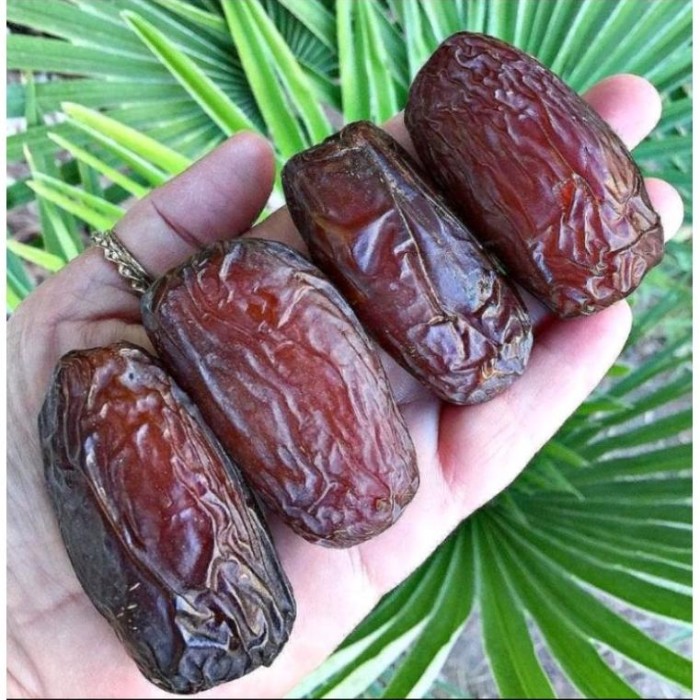
1. Size and Appearance: They are known for their large size compared to other date varieties. They are plump and have a characteristic elongated shape. The outer skin is wrinkled and has a deep brown color, while the inner flesh is soft and luscious.
2. Flavor: Medjool dates from Palestine boast a rich, caramel-like flavor with hints of toffee and honey. The sweetness is balanced with a subtle nutty undertone, creating a delightful taste profile that is highly sought after by date connoisseurs.
3. Texture: One of the defining characteristics of these dates is their luxurious, melt-in-your-mouth texture. The flesh is tender, moist, and slightly chewy, providing a satisfying bite that adds to the overall sensory experience.
4. Nutritional Value: They are not only delicious but also packed with essential nutrients. They are a good source of dietary fiber, potassium, magnesium, and antioxidants. These dates are also naturally low in fat and cholesterol-free, making them a healthy snack option.
The Influence of Ripeness on Taste and Texture
The ripeness of dates plays a crucial role in determining their taste and texture. As Medjool dates mature and ripen, several changes occur that affect their sensory attributes. Here's how the ripeness of dates influences their taste and texture:
1. Flavor: When dates are unripe, they tend to have a slightly astringent or bitter taste. As they ripen, the sugars within the fruit increase, resulting in a sweeter and more pronounced flavor. Ripe Medjool dates exhibit a perfect balance of sweetness and complexity, with the natural sugars fully developed to enhance the overall taste experience.
2. Texture: The texture of dates also evolves as they ripen. Unripe dates are firmer and may have a slightly fibrous or starchy texture. As they mature, the flesh becomes softer, juicier, and more tender. Ripe Medjool dates offer a luxurious and velvety texture that melts in your mouth, providing a delightful eating experience.
3. Color and Appearance: The color of Medjool dates can change as they ripen. Initially, they may have a lighter brown hue, which deepens and becomes richer as the dates mature. The skin becomes softer and wrinkled, indicating that the fruit is fully ripe and ready to be enjoyed.
4. Sweetness: The ripening process of dates is accompanied by an increase in sugar content. As the dates mature, the natural sugars, such as fructose and glucose, develop fully, resulting in a sweeter taste profile. This sweetness intensifies as the dates reach their peak ripeness.
Ripeness:
When it comes to the ripeness of dates, several changes occur that affect their sensory attributes. Unripe dates tend to have a slightly astringent or bitter taste, while ripe dates exhibit a pronounced sweetness and complexity. The sugars within the fruit increase as they ripen, resulting in a sweeter and more enjoyable flavor. The texture of dates also evolves as they mature. Unripe dates are firmer and may have a slightly fibrous or starchy texture. As they ripen, the flesh becomes softer, juicier, and more tender, providing a delightful eating experience. The color of Medjool dates can also change as they ripen, with the skin becoming softer and wrinkled, indicating full ripeness.
Conclusion
Medjool dates from Palestine are renowned for their extraordinary taste, texture, and overall quality. Their large size, rich flavor, and melt-in-your-mouth texture make them a favorite among date enthusiasts. The ripeness of Medjool dates significantly impacts their taste and texture, with fully ripe dates offering a perfect balance of sweetness and a luxurious, tender texture.
Whether you're savoring the natural sweetness of a fresh Medjool date or using it in culinary creations, the exceptional qualities of Medjool dates from Palestine are sure to elevate any experience. Indulge in the delights of these exquisite fruits and explore the unique flavor and texture that only Medjool dates can offer.
Key Highlights:
- Medjool dates from Palestine are highly regarded for their exceptional taste, rich flavor, and unique texture.
- These dates are characterized by their large size, wrinkled brown skin, and soft, luscious flesh.
- Medjool dates from Palestine boast a rich, caramel-like flavor with hints of toffee and honey.
- The ripeness of dates significantly influences their taste and texture, with ripe Medjool dates offering a perfect balance of sweetness and a luxurious, tender texture.
- Unripe dates may have a slightly astringent or bitter taste, while ripe dates exhibit a pronounced sweetness and complexity.
- The texture of Medjool dates evolves from firm and fibrous to soft, juicy Medjool dates from Palestine are renowned for their exceptional taste, rich flavor, and unique texture.