
The diet of heart patients that they should follow
The diet of heart patients is not only based on the reduction of the symptoms of this disease, but in a way it also initiates the treatment process. The heart is one of the most important organs that largely loses its optimal function under the influence of bad eating habits. In addition, if you do not follow a healthy diet, the possibility of worsening heart diseases is very high. Although exercise has a great effect on heart health, until we eliminate unhealthy, high-calorie and fat-filled foods, there is less exercise that can keep us safe from the risks and heart disease. That is why how to adopt the diet of heart patients is a hot topic in medical circles, in order to achieve prevention, treatment and recovery.
Influential factors in the occurrence of heart diseases
Looking at the factors affecting heart disease, we see that many of them are related to diet and improper eating style, and some others are affected by the surrounding environment. For example, one of the most important causes of heart diseases is high blood pressure, which is related to the consumption of fatty and high-calorie foods. This is why it is claimed that by focusing on the diet of heart patients, their disease can be controlled to a large extent. In the following, we will maneuver more on the factors that cause heart problems.
Increase in blood fat, cholesterol and triglyceride levels
Abdominal and visceral obesity
getting older
Family history and heredity
Diabetes and increased blood sugar and glucose
Insufficient mobility and lack of attention to proper physical activity
A lot of stress in life and at work
The formation of fat deposits in the inner layer of the walls of the arteries
Arteriosclerosis or hardening of the arteries
Smoking and alcohol use
Useful substances in the diet of heart patients
There are many foods that have a special place in the diet of heart patients due to their usefulness, and as if without their bold presence, a suitable nutritional pattern cannot be drawn. Fortunately, various groups are included in this list and are able to complete the food basket of sick people.
Fruits: apple, pear, orange, grapefruit, strawberry, blackberry and peach
Vegetables: Kale, red cabbage, broccoli, spinach, green beans, green peas and garlic.
Meat: lean mutton, skinless chicken, fish and lean veal
Fish: salmon, sardine, trout, herring, gobad, halva and mackerel
Legumes: red beans, whole grains, kidney beans, oats, soybeans and lentils
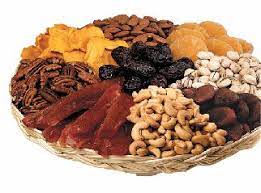
Nuts: walnuts, peanuts, dried dates, dried figs and dried dates
Dairy: all types of low-fat or fat-free, low-salt cheese and cream-free ice creams
Spices: asparagus, ginger, cumin, turmeric and sumac
Breads: Wholemeal breads, Sangak, Berberi and Tufton
Vegetable oils: olive oil, corn oil, cottonseed oil, rapeseed oil, and canola oil
Leave a Reply