
Calcium is easier to plan by the meal than by the single food. One plate rarely covers a day, but three ordinary meals can, if each one carries a food that is actually rich in it. This article works through one sample day, breakfast to dinner, using the NHS list of calcium sources and nutrient figures from the USDA FoodData Central database. Dates turn up at breakfast, and we say plainly how small their share is.
How much calcium a day adds up to
The NHS puts the figure at 700mg of calcium a day for adults aged 19 to 64 and over. It also says "You should be able to get all the calcium you need from your daily diet." So the target for a day of meals is 700mg. Supplements are a separate matter, and the NHS advice there is not to take too much: it describes 1,500mg or less a day as unlikely to cause any harm.
The NHS list of sources is short. It names milk, cheese and other dairy foods; green leafy vegetables such as curly kale and okra, but not spinach; soya drinks with added calcium; bread and anything made with fortified flour; and fish where you eat the bones, such as sardines and pilchards. Spinach is left out for a reason the page gives: it does contain high levels of calcium, but the body cannot digest it all.
Breakfast: milk with a few dates
USDA FoodData Central lists whole milk (3.25% milkfat) at 113mg of calcium per 100g. A 200g glass therefore carries about 226mg, close to a third of the day's 700mg before you have eaten anything solid.
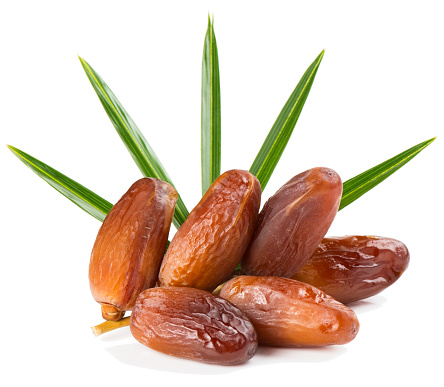
Add 30g of Medjool dates. The NHS counts a 30g portion of dried fruit, dates included, as 1 of your 5 A Day, and says it should be eaten at mealtimes rather than as a snack between meals, to reduce the impact on teeth. Breakfast is a good place for it. On calcium, though, the dates do little: FoodData Central gives Medjool 64mg per 100g, so 30g adds about 19mg. Deglet Noor, the golden date from Tunisia and Algeria, is lower again at 39mg per 100g, or roughly 12mg in 30g.
Breakfast total with Medjool: about 245mg.
Lunch: a sardine sandwich
This is where the bones earn their place. Atlantic sardines canned in oil, drained and eaten with the bone, come to 382mg per 100g in FoodData Central. Put 100g of them on 60g of white bread, which the same database lists at 144mg per 100g, and the bread adds another 86mg or so.
Lunch total: about 468mg. Breakfast and lunch together reach roughly 713mg, already past the NHS figure.
Dinner: okra or kale on the side
Dinner does not have to carry much after a lunch like that, and a green side dish is enough. Raw okra is listed at 82mg per 100g and raw kale at 254mg per 100g. A 100g portion of okra in a curry or stir-fry brings the day to about 795mg.
If fish is not on the menu, firm tofu made with calcium sulfate is the strongest swap in this set, at 683mg per 100g. That figure is for tofu made with calcium sulfate, so look for it on the label.
The day at a glance
| Meal | Food and amount | Calcium (approx.) |
|---|---|---|
| Breakfast | 200g whole milk | 226mg |
| Breakfast | 30g Medjool dates | 19mg |
| Lunch | 100g canned sardines with bone | 382mg |
| Lunch | 60g white bread | 86mg |
| Dinner | 100g okra | 82mg |
| Total | about 795mg |
Figures are per-100g values from USDA FoodData Central (SR Legacy, 2019) multiplied by the portion weight. Brands and recipes differ, so treat them as a planning guide rather than a label.
Where dates fit in a calcium plan
Honestly, they are a side player. Dates are in this plan for their taste, and because the NHS counts 30g at a mealtime toward 5 A Day. The calcium in this day comes from the milk, the sardines and the greens. If you want the dates to sit next to more calcium, put them beside a glass of milk or a bowl of plain yoghurt instead of eating them alone.
This post has long linked to Kurma medjool Malaysia, an outside site, and that link stays. For buying dates from this site, the about us page covers retail and wholesale pricing and delivery across Malaysia, and the contact page gives the WhatsApp number for quotes.
The calcium figures here are general nutrition information, not personal advice. Anyone with a specific dietary need should check with a GP or dietitian.