
One of the most effective ways to prevent, treat and control this disease is to change the way of life, use the right diet and try to quit bad eating habits.
For this purpose, use the following recommendations to increase your recovery process.
1- If you are overweight, be sure to lose weight.
2- Be sure to include physical activity in your daily schedule.
The best exercise is walking for at least one hour a day.
3- Change the way of preparing your food. Instead of using fried foods, prepare the foods by boiling, grilling or oven.
4- Avoid consuming visceral meats such as heart, liver, giblets, brain, tongue, breast and offal.
5- Butter, margarine, animal oil, semolina, high-fat milk and yogurt, local cheese, cream cheese, fatty cheeses, ice cream, mayonnaise, high-fat minced meat, sausage, sausage, solid oil, caviar, creamy sweets, cakes and chocolates. Don't eat chips and fried foods because it increases bad blood cholesterol (LDL). If this cholesterol increases gradually, it can cause narrowing or clogging of blood vessels, heart attack or stroke.
6- Liquid oils such as corn, cottonseed, soybean, rapeseed, canola and olive should be used in the amount of one to two tablespoons per day.
The use of nuts such as walnuts (2 pieces per day), peanuts (10 pieces per day) is allowed
7- Limit the consumption of egg yolks to two per week. But there is no limit to the consumption of egg white because it does not contain cholesterol.
8- It is recommended to use white meat, especially fish and chicken, instead of red meat, of course, remove the skin before cooking. It is recommended to eat 3 servings of fish per week.
Be sure to eat two portions of lean red meat (preferably veal) grilled or boiled, because red meat prevents anemia caused by iron deficiency.
9- It is recommended to increase the consumption of dietary fiber along with sufficient amount of liquids in the diet.
Fibers reduce blood cholesterol, help digestion, cause satiety, prevent overeating and regulate blood sugar.
Rich sources of fibers include whole grain breads such as Sangak, Berberi and Tufton, cereals, legumes, fruits, vegetables, soybeans.
10- All kinds of berries such as strawberries and blackberries, as well as citrus fruits such as oranges and grapefruits, tomatoes and bell peppers are rich in vitamin C and plant materials that help maintain the elasticity of the vessel walls.
11- Consuming raw carrots (two per day) and cereal bran reduces cholesterol and blood fat.
12- Avoid excessive consumption of hot pepper, caffeinated substances such as coffee, chocolate and strong tea that increase heart rate.
13- Consumption of pale tea, red grape juice, onion and garlic causes blood thinning.
14- Ginger, cumin, parsley prevent the accumulation of platelets and cause blood thinning.
15- The use of all kinds of juices and vegetables, legumes, garlic and onion, turmeric and sumac helps to reduce blood cholesterol.
16- If you have high blood pressure, consuming the following items is useful for you:
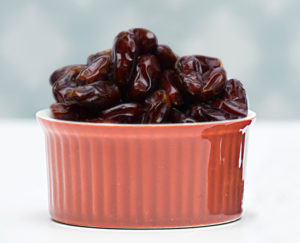
Pumpkin, broccoli, lunar cabbage, coriander, lentils, chickpeas, purslane, green beans, whole soybean flour, wheat germ, tomatoes, peaches, apricots, bananas, dried dates, plums, figs, cantaloupe, oranges, walnuts, mushrooms, Okra and pumpkin.
17- To prevent constipation, it is recommended to drink cold milk or cold water while fasting, kiwi and Bukhara plum.
18- Avoid consuming carbonated soft drinks, prepared juices and canned compotes.
19- Avoid using salt and canned food such as tuna.
20- Consume 6-8 glasses of water daily.
21- You cannot lose weight by skipping meals, eat 3 meals a day as needed.
Leave a Reply