
In the bustling symphony of our bodies, the liver quietly plays a vital tune, cleansing toxins, aiding digestion, and regulating vital functions. Yet, amidst the demands of modern life, this unsung hero faces a growing chorus of threats – from fatty build-up to inflammation. But nestled within the vibrant markets of Malaysia lies a natural remedy, whispering promises of resilience – dates for liver health. And when hand-selected by Sayer date Supplier, these sun-kissed jewels become potent allies in the quest for optimal liver health.
Nature's Detox Champion: Cleansing and Protecting Your Liver:
Sayer Dates Supplier understands the intricate dance of liver health. They meticulously source dates rich in fiber, particularly the insoluble kind, which act like tiny brooms, sweeping away toxins and excess cholesterol from your digestive system. This natural detoxification process reduces the burden on your liver, allowing it to focus on its essential functions. Dates also offer a wealth of antioxidants, like flavonoids and phenolic acids, that scavenge harmful free radicals, shielding your liver cells from oxidative damage and inflammation. With each bite, you empower your liver to perform its delicate balancing act, keeping you vibrant and healthy from within.
Beyond Fiber and Antioxidants: A Symphony of Nutritional Support:
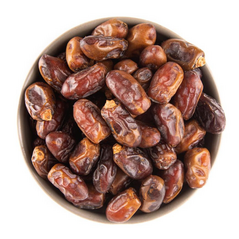
But the secret to Sayer Dates Supplier's dates lies not just in fiber and antioxidants. They offer a symphony of nutrients that play a harmonious role in liver health. Vitamin A, present in abundance, aids in cell regeneration and supports the liver's natural detoxification pathways. Potassium, a vital electrolyte, helps regulate blood pressure and prevents fluid buildup in the liver, a common symptom of certain liver conditions. Iron, crucial for oxygen transport, ensures efficient energy production within the liver, keeping it functioning at its peak. With every date, you orchestrate a nutritional concerto, each note nourishing and protecting your liver, empowering it to sing its own song of vitality.
From Tradition to Modern Wellness: Ancient Wisdom Meets Modern Research:
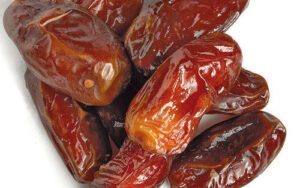
For centuries, dates have been woven into the tapestry of traditional remedies for liver health across cultures. Sayer Dates Supplier honors this wisdom, collaborating with experts in Traditional Malay Medicine to recommend specific date varieties for different liver needs. Ajwa dates, with their deep, rich flavor, are believed to cleanse and strengthen the liver. Kimia dates, known for their astringent sweetness, are traditionally used to combat inflammation and jaundice. Deglet Noors, with their delicate flesh and crystalline sugar crystals, offer a refreshing blend of sweetness and natural diuretic properties, aiding in toxin elimination. By bridging the gap between ancient wisdom and modern research, Sayer Dates Supplier empowers you to integrate the healing power of dates into your modern wellness journey.
From Snacks to Smoothies: Embracing the Culinary Canvas:
Sayer Dates Supplier believes that liver health should be a symphony of delicious exploration. They inspire you to incorporate dates into your daily routine with ease, transforming simple indulgences into potent allies for your well-being. Blend creamy avocado and spinach with Medjools for a detoxifying smoothie, a refreshing start to your day. Whip up energy balls studded with chopped dates and nuts for a convenient on-the-go snack that nourishes your liver even when you're busy. Infuse rice dishes with a delicate hint of Kimia dates to add flavor and promote gentle detoxification. With Sayer Dates Supplier, your culinary creativity finds fertile ground, transforming dates into delicious creations that satisfy your taste buds and nurture your liver at the same time.
Conclusion:
Let the vibrant melody of dates from Sayer Supplier guide you on the path to optimal liver health. From their natural detoxification powers to their rich tapestry of nutrients, these sun-kissed jewels offer a symphony of support. Embrace the wisdom of ancient traditions, explore the culinary possibilities, and savor the sweetness of a well-functioning liver. With each bite, you write a new verse in the story of your well-being, one delicious note at a time.