
Where the time goes when you buy dates
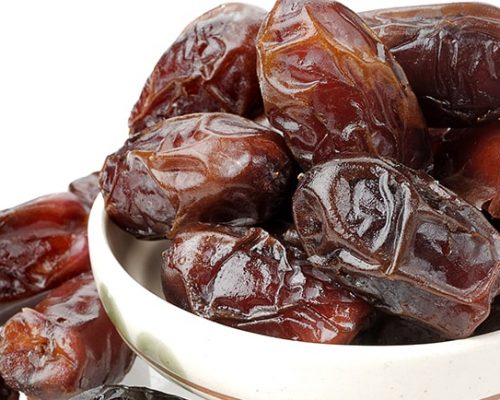
Buying dates in person takes longer than it needs to. You drive to a shop, look for parking, then stand at a shelf comparing boxes whose labels may or may not name the variety, the origin or the net weight. In the weeks before Ramadan the same trip takes longer, because that is when demand peaks. Hari Raya, weddings, kenduri and umrah gifts bring other peaks through the rest of the year.
Ordering online moves most of that work to a few minutes at home. It only saves time, though, if you know what to read on a listing.
Reading a listing in a few minutes
Malaysia has no commercial date-growing trade. Every date sold here is imported, so the first useful question on any listing is which variety it is and where it came from. A good listing answers both, and adds the net weight and the ripeness stage. With those four details you can compare sellers without opening a single box.
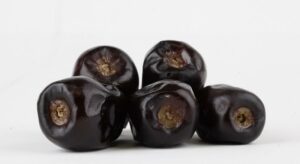
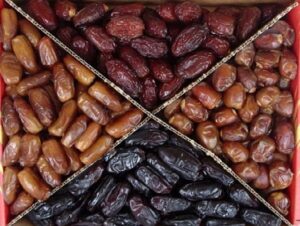
Variety and origin go together. Ajwa comes from Madinah in Saudi Arabia: small, roundish and near-black, with finely wrinkled skin. Deglet Noor is from Tunisia or Algeria, golden and semi-dry, and when it is sold still on the stem in Malaysia it is called kurma tangkai. Medjool dates originated in Morocco and are large, very soft dates with a rich caramel taste. If the description on a listing doesn't match the variety it names, ask before you pay.
Ripeness words matter as much. Rutab, or rotab, is the soft, fresh-ripe stage. Tamr, or tamar, is the fully ripe and drier stage. Many soft varieties are cold-chained so that rotab is on offer all year. Mazafati is the usual example: it comes from Bam in Kerman province, Iran, it is cold-stored and sold year-round, and it needs refrigeration.
Where the money is saved
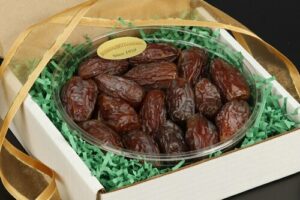
The saving from buying online usually comes from comparing, not from a lower sticker price. Two sellers can list the same variety in different pack sizes. Work out the price per kilogram yourself by dividing the price by the net weight. A 500g pack and a 1kg box only become comparable once both are per-kilo figures.
Grade labels need the same care. A, AA, AAA and Jumbo are each importer's own size sorting and not an international standard, so one seller's "AAA" is not automatically the same size as the next seller's. Compare variety, origin and weight first. Treat the grade as that seller's own word for size.
Ordering ahead of the Ramadan rush saves money in a quieter way. You make fewer last-minute trips, and you are less likely to grab a small box at whatever price the shelf shows that afternoon.
Bigger orders for kenduri and hantaran
Orders for a kenduri, wedding hantaran or a batch of umrah gifts are where ordering online helps most, because one order can replace several shop visits. Check the total weight against the number of guests or gift boxes before you confirm. An older post on this site, filed under Dates Wholesaler Malaysia, talks about wholesale buying in general terms; use the variety and origin points above when you read it.
Asking the seller before you pay
Buying online doesn't stop you asking questions. This site takes enquiries on WhatsApp, as the Contact Us page explains, so you can confirm the variety, origin, weight and stock before you order. For one variety in more depth, the post on how ripeness shapes the taste of Medjool from Palestine walks through what each stage looks like.
When the box arrives
Open it the same day. Check the label against your order: variety, origin and net weight. Put soft rotab such as Mazafati in the fridge straight away. If something is wrong, send the seller a photo that day while the order details are still fresh in both your minds.
That is the whole method. Know the variety and where it comes from, compare per-kilo prices instead of pack prices, order before the busy weeks, and check the box when it lands. Done this way, one order placed from home can replace a string of trips to the shop.