
Dwarf hamsters are small, but the RSPCA is blunt that their needs are quite complex. It also says an adult should always be the one responsible for a hamster's care, even when the hamster is bought for a child. Here is a plain description of the dwarf species and what caring for one involves, drawn from the RSPCA's own pet-care pages.
Which hamsters count as dwarfs
There are 24 species of hamster, according to the RSPCA, and five are commonly kept as pets: the Syrian, the Chinese, Campbell's Russian dwarf, the winter white dwarf and Roborovski's dwarf. The last three are the dwarfs. Hamsters usually live for up to two years, though some live longer, so a new owner is signing up for a short but daily commitment.
One difference between the dwarfs and the others is company. Syrian and Chinese hamsters should not live together and are better kept alone. With the right care and conditions, the RSPCA says, dwarf species such as Roborovski, Campbell's Russian and winter white hamsters can live together. Even then, hamsters that meet start to sort out a hierarchy straight away, and one can become dominant and very aggressive. Hamsters are generally solitary animals, so sharing is something to watch, not take for granted.
A cage built for digging
Wild hamsters live in deep burrows and build nests, and they are quick to escape from a poorly made cage. The RSPCA prefers plastic cages to metal and says wooden cages should not be used. A cage with stainless steel bars or mesh sides and a raised lid is better than one with solid sides.
The floor should be solid, never wire mesh, which can cause foot problems. On top of it goes bedding deep enough to dig in. Dust-free wood shavings or granulated corn-cob, free of preservatives, are the RSPCA's compromise choice. For nesting, use good hay, wood wool, shredded paper or cardboard. Avoid cotton wool and other fluffy bedding that separates into thin strands, because a hamster can eat it or get tangled in it.
Give one more hiding place than there are hamsters. A nest box with no floor lets you check on the animals by lifting it, and it should sit near food and nesting material but away from the water bottle in case it leaks.
Night owls that need quiet
Hamsters are nocturnal. They need to sleep undisturbed during the day and should be kept in a room where the lights go off at more or less the same time each night. They are also sensitive to ultrasound that people cannot hear, so keep the cage away from televisions, computer screens, vacuum cleaners and running water.
At night they need room to move. Wild hamsters can run up to five miles a day, says the RSPCA. A wheel helps, but it must be good quality, large in diameter, solid and axle-free, and it should not be the only thing in the cage to keep them busy.
Handle a hamster every day if you can, but not while it is sleeping. Let it investigate your hands first, scoop it up with two cupped hands, and hold it no more than a few inches above a table in case it falls.
Food, water and cleaning
The RSPCA's feeding advice is short. Give a compound pellet ration or a seed mix made for hamsters, plus small amounts of greens, cleaned root vegetables and pieces of fruit such as apple. Never give grapes or rhubarb, which can be poisonous to rodents. Scattering food around the cage helps the animals forage. Water should come from a bottle with a valveless sipper tube, checked every day for leaks and blockages. Avoid sudden changes to the diet and stale food.
Spot-clean every few days to take out soiled bedding, uneaten food and droppings, and give the cage a deep clean once or twice a month. Do it when the hamsters are awake, not in the middle of the day. Keep a little old, clean bedding to put back in, since smell matters a great deal to them.
What about dates?
A dates site has to answer the obvious question: can a hamster share them? The RSPCA list names apple, not dates, and the sugar gap between the two is large. USDA FoodData Central gives Medjool dates 66.5g of total sugars per 100g, against 10.4g for raw apple with skin. The same caution goes for Ajwa, the small near-black date from Madinah. Ask a vet before offering any piece at all.
If a vet does agree, remember two RSPCA points. Hamsters carry food off in their cheek pouches and stash it in the nest. Moist food grows mould and bacteria, which can harm a hamster. So if you do offer a piece, check the nest for leftovers when you spot-clean.
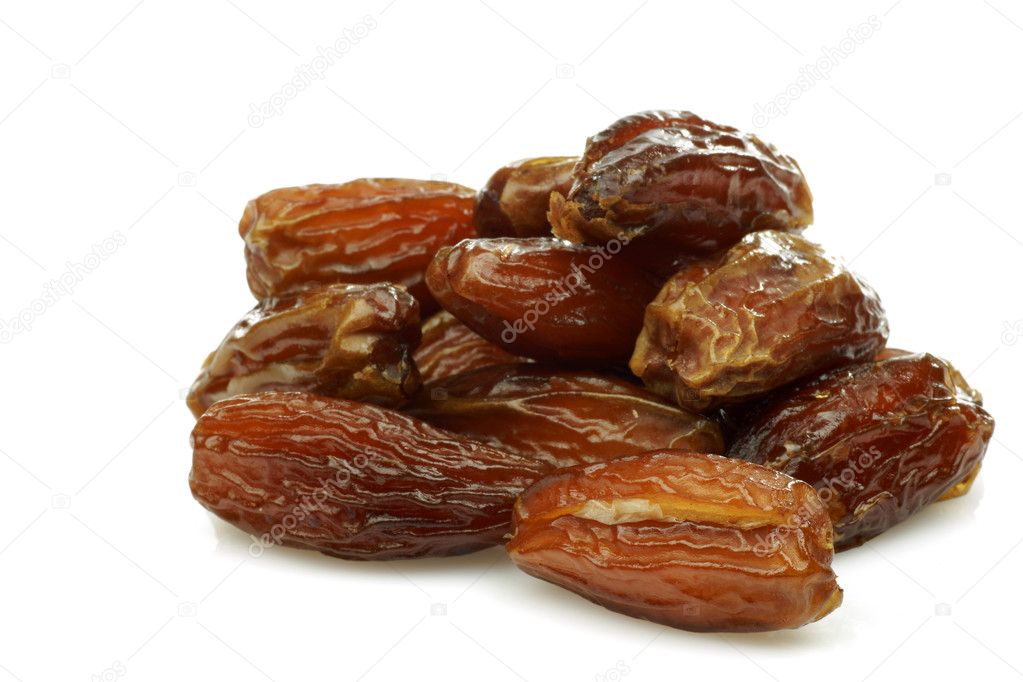
The dates in the house are better kept for the people. If you buy for a family gathering, Pemborong Kurma Green Diamond is a wholesale dates site whose own title talks about borong prices. This site sells both retail and wholesale with delivery across Malaysia, as the About Us page says, and takes questions on WhatsApp through the Contact Us page. The post on buying fresh dates online in Malaysia explains how to compare listings before you order.
Whatever ends up in the cage, the RSPCA's rule is to watch how much your hamster eats and drinks. If it starts eating less, or its droppings turn moist, talk to a vet straight away.