
What "taste and texture" actually means to a wholesaler
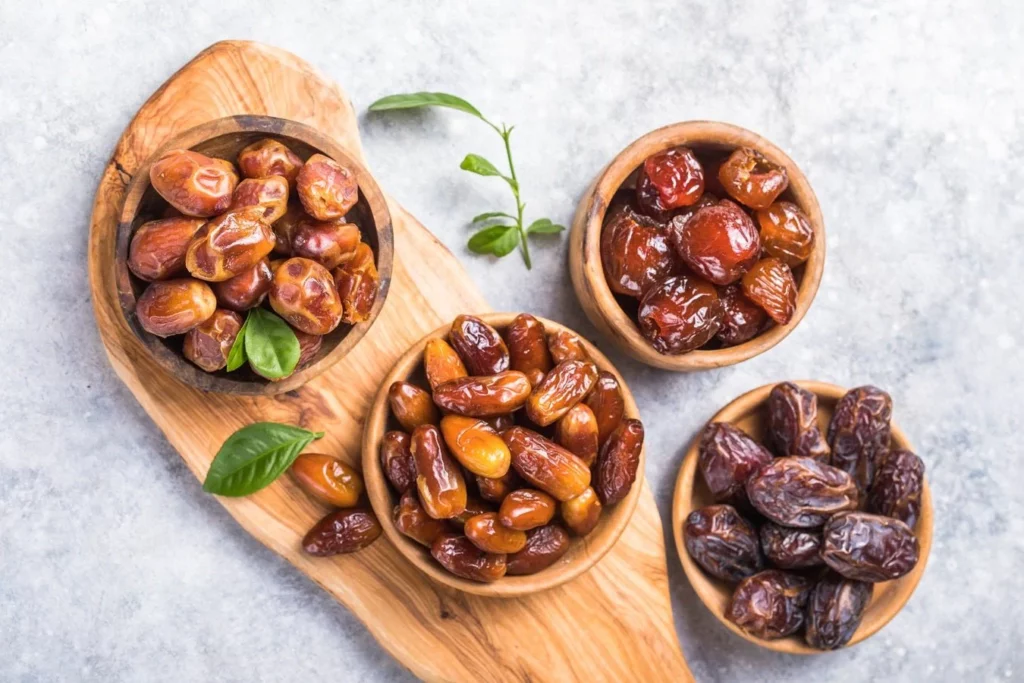
When a dates wholesaler in Malaysia talks about variety, they're not describing flavour the way a customer would. They're describing moisture content, and everything else follows from that one number.
The three ripening stages, and why they matter for grading
A date passes through khalal (crisp, low sugar), rutab (soft, partly fermented sugars), then tamar (fully dried, the stage most exported dates are sold at). Wholesalers grade primarily on where a batch sits in that curve, because it predicts shelf life, stickiness during packing, and how the fruit behaves in transit. A high-moisture tamar date bruises and clumps in a box; a low-moisture one ships clean but can taste flatter.
Soft varieties
Medjool sits at the wetter end — caramel-heavy, large, and prone to sticking together in bulk cartons if the moisture wasn't controlled during drying. Ajwa is similarly soft but with a drier skin, which is part of why it holds up slightly better in long-distance shipping than Medjool does.
Firm and dry varieties
Deglet Noor and Zahidi sit at the other end — lower moisture, firmer bite, longer shelf stability without refrigeration. That's not a quality shortfall; it's a different use case. A wholesaler moving stock through a slower distribution chain, or supplying a bakery that needs dates that hold their shape when chopped, will actually prefer the drier grade over Medjool.
Reading a wholesaler's grade sheet
A serious supplier will list moisture percentage or at minimum a soft/semi-dry/dry tier alongside origin and size class (jumbo, large, standard). If a listing only says "premium" with no grade attached, that's a sign the batch wasn't sorted — ask before buying in volume. For a closer look at how grading maps to price, or how Medjool specifically is priced against firmer varieties, both go into more detail than a single grade sheet usually will.
Buying for your own kitchen vs buying to resell
Home buyers can go by taste alone. Anyone reselling or catering needs to think about the moisture tier first, because that decides how the stock survives the trip from wholesaler to shelf. Fresh vs dried is really the same question one level up — how much water is left in the fruit, and what that does to texture on the way there.
The short version
Sweetness differences between varieties are real, but they're a side effect of moisture and ripening stage, not a separate trait. Know the grade, and the taste and texture follow.