
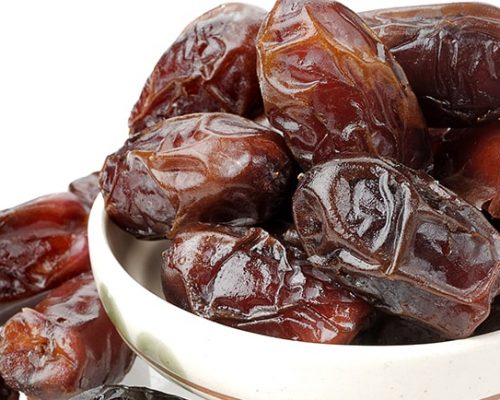
Every kedai kurma claims that buying online saves time and money, but the real savings depend on what you're comparing it against. A quick look at what actually changes when you move from a physical date shop to ordering online.
Where the time actually goes
The time saved isn't in the checkout itself — it's in not driving to a shop, parking, and browsing shelves for a variety that might be out of stock anyway. For a one-off small purchase that difference is minor. It adds up when you're buying for a household or an office that restocks dates every month or two; placing a repeat order online takes a couple of minutes instead of a trip.
Where the money actually goes
Price comparisons between a physical shop and an online seller aren't always apples-to-apples. A wholesale dates price guide, or our own breakdown of Medjool pricing, is worth reading before you assume online is automatically cheaper — some online sellers charge more per kilo but bundle in free delivery, while a physical kedai kurma near you might beat that price if you're buying in person anyway. The real saving usually comes from buying in bulk rather than from the channel itself: a 5kg box works out cheaper per kilo than five separate 1kg bags, whichever way you buy it.
Shipping cost is the other variable. For a small order, delivery fees can erase whatever discount the online price offered. It's worth checking whether a seller has a free-shipping threshold and ordering enough at once to clear it, rather than placing several small orders over a few weeks.
What online shopping actually adds
The clearest advantage isn't price — it's selection. A single kedai kurma can only stock what fits on its shelves, while an online catalogue can carry Mariami, Ajwa, Safawi, and other varieties side by side without running out of shelf space. If you're after a specific grade or origin that your local shop doesn't carry, online is often the only practical way to find it without travelling further afield.
Reviews from other buyers are also more useful for dates than for most groceries, since freshness and ripeness vary between batches in a way a product photo can't show. Checking recent reviews before ordering tells you more about what you'll actually receive than the listing description does.
What to check before you switch to ordering online
- Compare the per-kilo price including delivery, not just the sticker price.
- Check whether the seller states harvest season or batch date — dates bought soon after harvest keep longer.
- Look at how the seller packages the order; loose dates in a thin bag arrive more damaged than dates packed firmly, and see our guide to date safety and handling for what proper packaging should look like.
- Read a few recent reviews specifically about delivery condition, not just taste.
The honest conclusion
Buying dates online genuinely saves time once you're a repeat buyer, and it can save money if you buy in bulk and clear the free-shipping threshold. For a single small purchase, your nearest kedai kurma may still be the cheaper and faster option. The right channel depends on how much you're buying and how often — not on which one is simply labelled "convenient."