
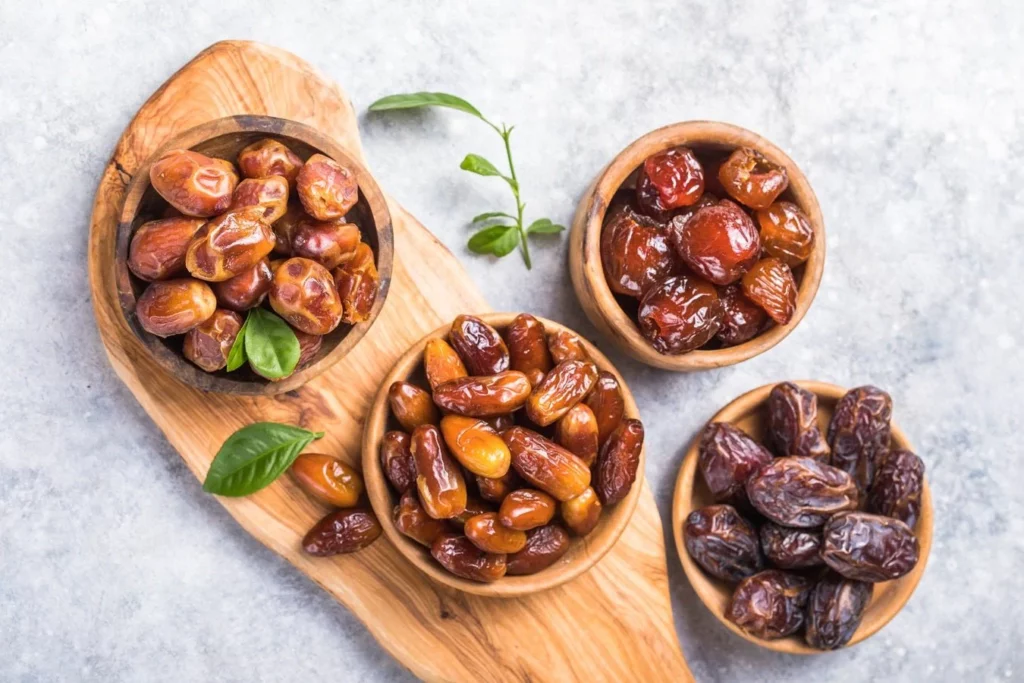
What actually separates a reliable kurma supplier from a middleman
Anyone can list dates for sale. Fewer can tell you which harvest season a carton came from, or why one batch of Medjool tastes noticeably different from the last. That gap is what separates a real Kurma supplier in Malaysia from someone reselling whatever stock they could find.
Ask where it was grown, not just what it's called
"Medjool" and "Ajwa" are variety names, not guarantees. Medjool is grown commercially in Jordan, Palestine, and increasingly in the US and Peru; Ajwa comes almost exclusively from Madinah, Saudi Arabia, and carries a religious significance there that drives its price independent of taste. A supplier who can tell you the specific region — not just the country — usually has a direct relationship with the grower rather than buying through three layers of traders. That matters because each layer adds cost and reduces how fresh the stock is by the time it reaches Malaysia.
Deglet Noor, mostly from Tunisia and Algeria, is a firmer, less sweet date that holds up well in cooking — it's the one you want for baking, not snacking straight from the box. Barhi is unusual because it's sometimes sold at the khalal (crunchy, not fully ripe) stage, which is a completely different eating experience from a soft tamr-stage date. Knowing this distinction is a quick way to tell whether a supplier actually handles the product or just repeats a catalogue description.
Storage tells you more than the sales pitch does
Dates are shelf-stable compared to most fruit, but they're not indestructible. High humidity brings out surface sugar crystallisation (not spoilage, but it changes texture) and warm storage speeds up fermentation, giving the dates a sharper, alcohol-like edge. A supplier who keeps stock in climate-controlled storage and moves inventory within a few months of import is a better long-term source than one sitting on old stock waiting for a sale. If you're buying in bulk, ask when the current batch arrived in Malaysia — a supplier who can answer immediately is usually the one worth working with.
Where dates are actually being used now
The bigger shift in Malaysia isn't exotic new products — it's dates replacing refined sugar in everyday cooking. Date paste works as a 1:1 sweetener substitute in baking and adds fibre that plain sugar doesn't. Energy bars and smoothies using blended dates have moved from niche health shops into mainstream supermarkets. None of this needs Ajwa or Medjool — Deglet Noor or a mid-grade Safawi does the job for less, which is worth knowing if you're buying for a food business rather than gifting.
Buying for your own kitchen or business
If you're comparing Mabroom against other premium grades for a bulk order, our Kurma Mabroom price guide covers what drives the cost difference. For fresh-versus-dried buying decisions, see fresh vs. dried buah kurma, and if Medjool specifically is on your shortlist, this Medjool price breakdown is a useful starting point. For volume orders, contact us directly with the quantity and use case — retail, gifting, or food production — and we'll match it to the right grade.